
"Bolivia coffee production"
600 article(s) found
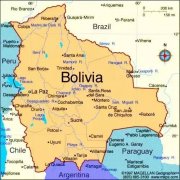
Introduction to the flavor characteristics of Java coffee in the Varic Manor of the Rodegris family in Bolivia
For more information on coffee beans, please follow the Coffee Workshop (official Wechat account cafe_style) Bolivia is one of the poorest countries in Latin America, a landlocked country bordering Brazil and Colombia. Although it is a country with great potential for coffee export, its output has been quite rare, and the conditions for growing coffee are excellent, but the challenge is also extremely difficult.

A brief introduction to the Market Price of High-quality Fine Coffee Bean varieties in Xuemai Manor
The early Bolivian coffee was of low quality and the market was very poor. Usually the picked coffee fruit is bumped all the way to the processing plant after a simple peeling treatment. Due to the imperfect infrastructure, the traffic is underdeveloped. Coffee farmers have to overcome the rugged mountain road and transport the beans to the higher altitude area of La Paz for washing. If the coffee fruit can not be delivered to the processing in time

A brief introduction to the description of flavor, taste and aroma characteristics of boutique coffee beans in Xuemai Manor
The overall taste of Bolivian coffee is rich and balanced, the aroma is rich and unique, similar to the mixture of flower and fruit aroma, impressive. The perennial low temperature environment makes the coffee fruit grow slowly, compact enough, the aroma is also charming, the floral aroma is obviously medium and low acidity, but the feeling is not monotonous, on the contrary, it appears soft and fresh, with the sour taste of citrus fruit. Because of Bolivie

A brief introduction to the cultivation of rich and unique boutique coffee beans in Bolivia, geographical location, climate and altitude
We know that Arabica coffee cannot be grown in cold places above 2000 meters above sea level. if the altitude is too high, coffee trees will frost because the temperature is too low. So Bolivian coffee is mainly grown in the Yungas region northeast of La Paz. It borders the Amazon basin and is about 1500-2500 meters above sea level with an average annual temperature of about 10-15 ℃. Therefore, guarantee

A brief introduction to the cultivation of fine coffee beans in Xuemai Manor with rich aroma, geographical location, climate and altitude
We know that Arabica coffee cannot be grown in cold places above 2000 meters above sea level. if the altitude is too high, coffee trees will frost because the temperature is too low. So Bolivian coffee is mainly grown in the Yungas region northeast of La Paz. It borders the Amazon basin and is about 1500-2500 meters above sea level with an average annual temperature of about 10-15 ℃. Therefore, guarantee

Coffee Snow vein Manor in Bolivia with medium and low acidity
Most of the coffee in Bolivia is of mediocre quality, but the production of boutique coffee has developed rapidly in recent years, and there have been a lot of pretty good beans. In recent years, the COE (Cup of excellence) system, which was first implemented in Brazil, has gradually become popular. Bolivia has also introduced this system, which can stimulate the enthusiasm of coffee farmers on the one hand and improve coffee on the other.

A brief introduction to the market price of rich and unique Bolivian boutique coffee beans
The overall taste of Bolivian coffee is rich and balanced, the aroma is rich and unique, similar to the mixture of flower and fruit aroma, impressive. The perennial low temperature environment makes the coffee fruit grow slowly, compact enough, the aroma is also charming, the floral aroma is obviously medium and low acidity, but the feeling is not monotonous, on the contrary, it appears soft and fresh, with the sour taste of citrus fruit. Because of Bolivie

A brief introduction to the market price of Bolivian boutique coffee beans with rich sour taste
The early Bolivian coffee was of low quality and the market was very poor. Usually the picked coffee fruit is bumped all the way to the processing plant after a simple peeling treatment. Due to the imperfect infrastructure, the traffic is underdeveloped. Coffee farmers have to overcome the rugged mountain road and transport the beans to the higher altitude area of La Paz for washing. If the coffee fruit can not be delivered to the processing in time

A brief introduction to the description of the flavor, taste and aroma characteristics of high-quality coffee beans in Xuemai Manor
The early Bolivian coffee was of low quality and the market was very poor. Usually the picked coffee fruit is bumped all the way to the processing plant after a simple peeling treatment. Due to the imperfect infrastructure, the traffic is underdeveloped. Coffee farmers have to overcome the rugged mountain road and transport the beans to the higher altitude area of La Paz for washing. If the coffee fruit can not be delivered to the processing in time

A brief introduction to the cultivation of sour Bolivian boutique coffee beans, geographical location, climate and altitude
The early Bolivian coffee was of low quality and the market was very poor. Usually the picked coffee fruit is bumped all the way to the processing plant after a simple peeling treatment. Due to the imperfect infrastructure, the traffic is underdeveloped. Coffee farmers have to overcome the rugged mountain road and transport the beans to the higher altitude area of La Paz for washing. If the coffee fruit can not be delivered to the processing in time

A brief introduction to the cultivation of high-quality high-quality coffee beans in Xuemai Manor, geographical location, climate and altitude
The early Bolivian coffee was of low quality and the market was very poor. Usually the picked coffee fruit is bumped all the way to the processing plant after a simple peeling treatment. Due to the imperfect infrastructure, the traffic is underdeveloped. Coffee farmers have to overcome the rugged mountain road and transport the beans to the higher altitude area of La Paz for washing. If the coffee fruit can not be delivered to the processing in time

A brief introduction to the flavor, taste and aroma characteristics of high-grade vanilla sweet Bolivian coffee beans
The overall taste of Bolivian coffee is rich and balanced, the aroma is rich and unique, similar to the mixture of flower and fruit aroma, impressive. The perennial low temperature environment makes the coffee fruit grow slowly, compact enough, the aroma is also charming, the floral aroma is obviously medium and low acidity, but the feeling is not monotonous, on the contrary, it appears soft and fresh, with the sour taste of citrus fruit. Bolivian coffee

Lake Titicaca in Bolivia: water washing, iron washing, Pica boutique coffee beans, origin, development, history and culture
The advantage of Bolivian coffee lies in its high altitude and excellent varieties of coffee, where the traditional Tibica and a small amount of Kaddura are highly valued in the world market. In the past, coffee trees in Bolivia used to act as hedges and ornaments around the garden. Real commercial production began in the early 1950s. The great frost in 1957 seriously damaged Pakistan.

A brief introduction to the cultivation of Bolivian boutique coffee beans with balanced taste, geographical location, climate and altitude
The early Bolivian coffee was of low quality and the market was very poor. Usually the picked coffee fruit is bumped all the way to the processing plant after a simple peeling treatment. Due to the imperfect infrastructure, the traffic is underdeveloped. Coffee farmers have to overcome the rugged mountain road and transport the beans to the higher altitude area of La Paz for washing. If the coffee fruit can not be delivered to the processing in time

Faye Butterfly Manor, Santa Cruz, Bolivia-Bolivian coffee from the roof of the world
For the exchange of professional baristas, please pay attention to the coffee workshop (official Wechat account cafe_style) delicious coffee that can only be tasted through the world's most dangerous roads Bolivia is one of the five most diverse countries in the world, with a landlocked country surrounded by and deeply affected by five countries, with a population of more than 1000, and the Indian aborigines, which account for about 60% of the total population, are divided into 36 peoples.

Introduction to the characteristics of coffee flavor and taste varieties of Bolivian snow vein manor with dried almonds
In the past, coffee trees in Bolivia used to act as hedges and ornaments around the garden. Real commercial production began in the early 1950s. The coffee industry in Brazil was seriously damaged by the great frost in 1975, while Bolivia (Bolivia) benefited from it and developed rapidly. The origin of Bolivian coffee: Bolivian coffee at an altitude of 180 Muhami 670 meters.

Aroma rich and unique Bolivian coffee grind characteristics Taste flavor description Variety introduction
In 1863, a rich deposit of saltpeter was discovered in Atacama province on the Pacific coast. In 1879 Chile sent troops to occupy Kuangqu, Bolivia and Peru united, and Chile fought the Pacific War. Bolivia lost its defeat in 1883, ceded the Pacific coast rich in saltpeter to Chile in 1904, and Bolivia lost its only coastal province, including the important port of Antofagasta, from

Tomorrow Sun Project | Karanabi, Bolivia | Pearl beans of Don Carlos Manor in Yonggas
Professional coffee knowledge exchange more coffee bean information please follow the coffee workshop (Wechat official account cafe_style) Bolivia Karanabi | Yonggas Don Carlos Manor Pearl Bean flavor? Our partner in Bolivia is Agricafe founded by Pedro Rodriguez and his son Pedro Pablo and daughter Daniela. Agricafe can

Bolivian coffee rich in sour taste Origin and development History and culture Introduction
Early Bolivian coffee was of poor quality and poorly marketed. The coffee cherries are usually picked and then simply peeled and sent all the way to the processing plant. Due to inadequate infrastructure, transportation is underdeveloped. Coffee farmers have to overcome rugged mountain roads to transport beans to higher altitudes in La Paz for washing. If coffee is not delivered in time,

A brief introduction to the history and culture of the origin and development of Bolivian boutique coffee beans with rich sour taste
The early Bolivian coffee was of low quality and the market was very poor. Usually the picked coffee fruit is bumped all the way to the processing plant after a simple peeling treatment. Due to the imperfect infrastructure, the traffic is underdeveloped. Coffee farmers have to overcome the rugged mountain road and transport the beans to the higher altitude area of La Paz for washing. If the coffee fruit can not be delivered to the processing in time